
Is the edge all there is?: Post-internet’s cold heart
10 years after the fiery beginnings of western wokeism, i find myself asking whether or not there is a role for morality in the world (politics, undoubtedly - but for this specific post, i’m thinking about art and culture - this is what i know). ignited by the promises of a more understanding, a more empathetic world where people would maybe think twice about calling you a feminist killjoy or use slurs to incite a laugh, or a social media like from their decrepit mates, i subscribed to the ideology of hegemonic woke from the moment i heard about it.
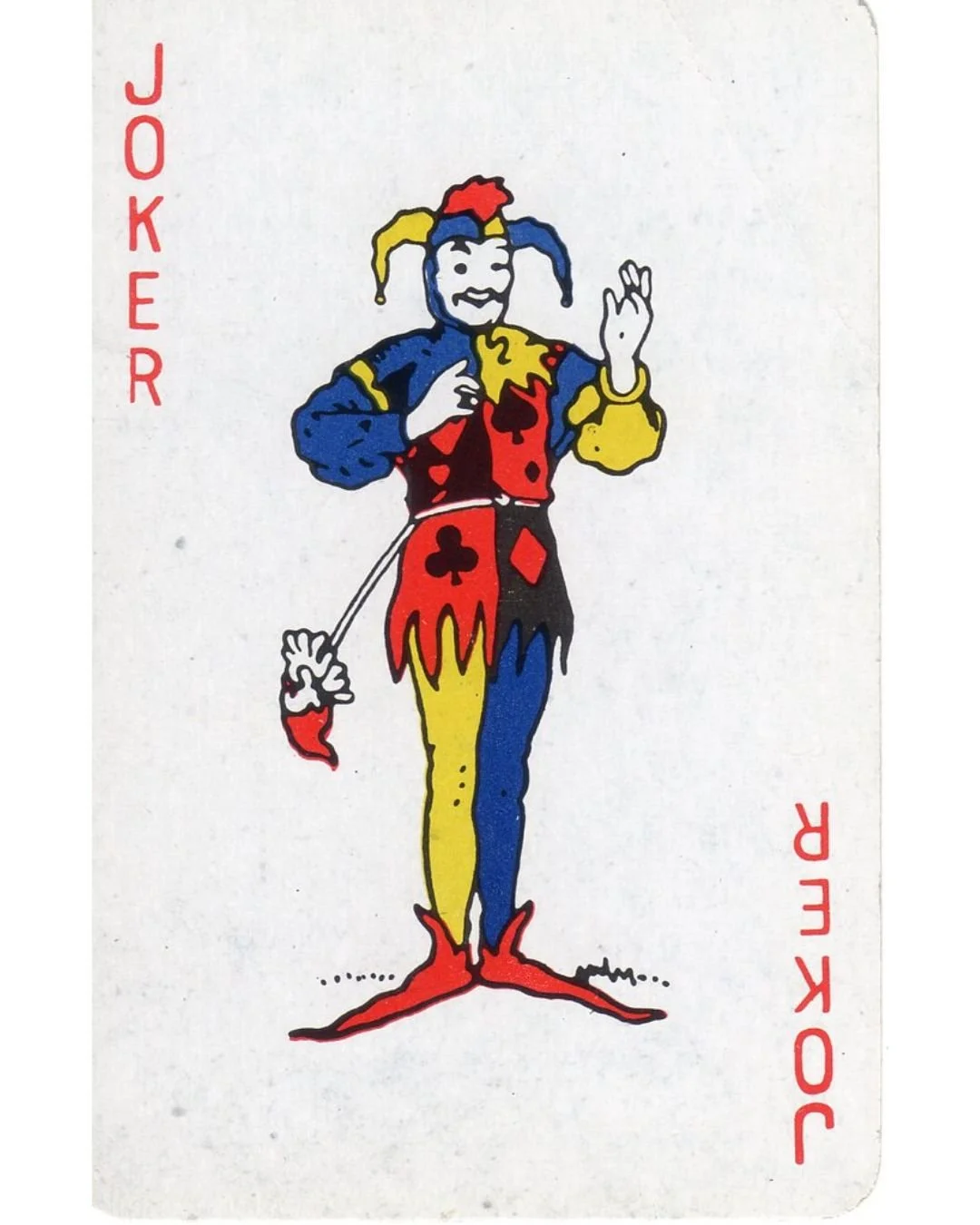
Jester’s privilege can be used for good.
this wave of woke emerged in social media discourse in the 2010s, bellowing and spluttering, splashing across our retinas and fingertips, rolling in and out with those predictable tides, for a good decade. as a result of the media exhaustion that followed the pandemic-era assembly line of content creation, woke was weaponised and consumed by digital publics and politicians alike until only its bones remained. its ideals then retreated into the shores of semi-active algorithmic islands dotted across the internet. most of it was archived on people’s dormant social media pages as infographic fossils. i live on one of those woke algorithmic islands, co-habitating with a few other troopers. but i feel stranded, with no visible relocation to a better tomorrow and the cynics over there won’t even build bridge across. they want to languish, unmoving, until we all turn into sand.
today, woke is laughed at by the niche-larping cliques in art and culture, because it was ‘always addressing the wrong thing’: the wrestling of control over other people’s internal belief systems through the policing of language. this was, according the intelligentsia of post-instagram, post-twitter, post-ironic art worlds, always a naive, unworthy and duplicitous aim compared to what could be achieved if “‘these wokeists’’ passions and anger were directed at solving issues of, say, ‘class’” (they have not done much for either). these two aims (policing people’s language and fighting against class-inequalities), are not mutually exclusive things.
in fact, invoking the latter point (“we must bring about classless societies before even thinking of doing language policing”) is a debate point that you come across in online discussions of all platform-origins. i hear this point memetically reproduced as a discursive weapon by the post-left, chronically online, group chatters and the ‘learned classes’ against the trite, out-dated, uncool earnestness of a ‘bygone platform era’ (wokeism). my observation is that post-ironic culture and knowledge producers put their faith in a set of practices, rather than, say, a set of moral values. the primary practice of the chronically online is contrarianism.
the attentional flows of social media publics are fickle, and these platform configure a subjectivity predicated on the promise of constant entertainment (and attention). contrarianism entertains and enrages, it’s a perfect content strategy for the platform avantgarde. and it provides artistic license to not be pinned down for morals, which emergent media cultures find to be an anaphrodisiac for creativity. the post-truth information world asks its most privileged subjects to stop believing in the potentiality of justness, requiring a mask of total irony against a world of injustice. today, earnestness is uncouth because it undermines chronically online culture, which is currently where ‘coolness’ is negotiated in usamerican hegemonic digital imaginaries (the equivalent of hollywood for newer generations).
*my thoughts are mine only. they are honest thoughts.
